The History of Spiritualism
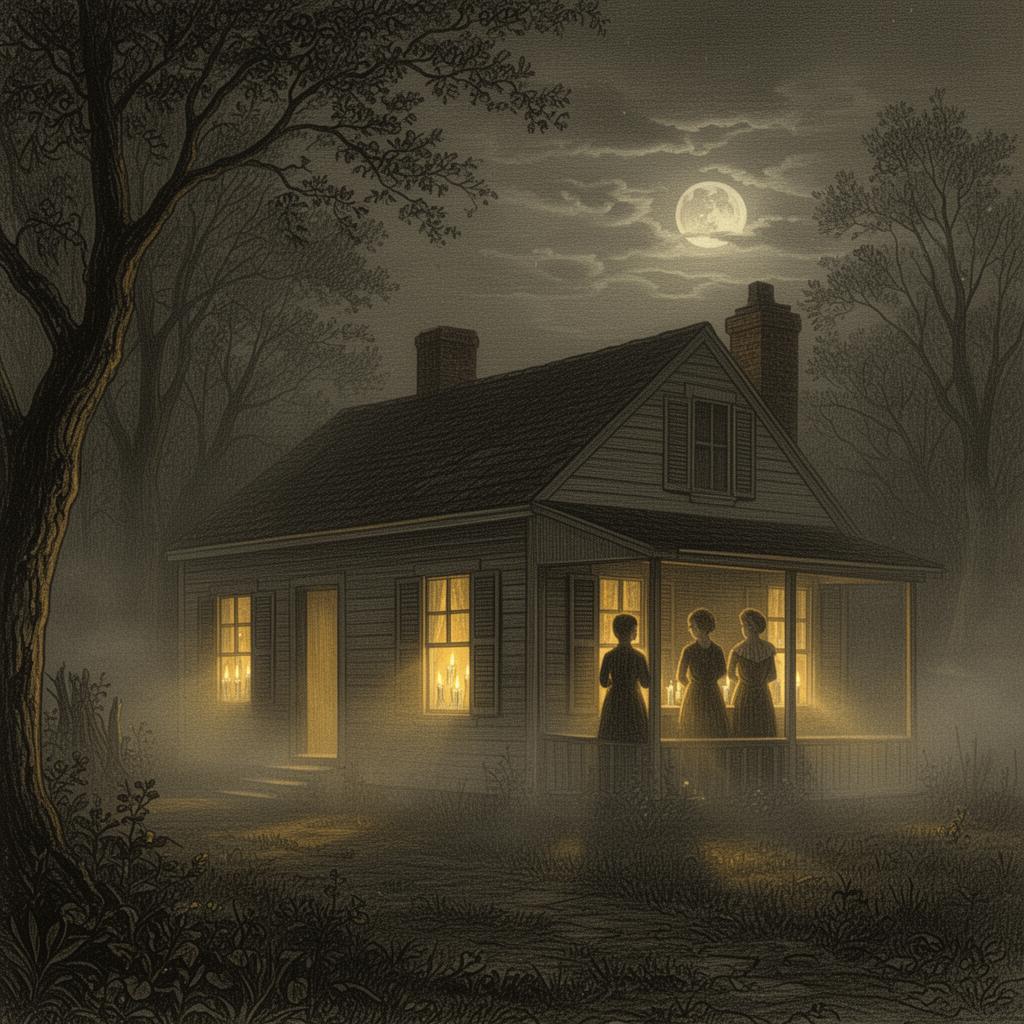
Modern Spiritualism is generally said to have begun on the evening of 31 March 1848 in a small cottage in Hydesville, New York. There, two sisters — Kate and Margaret Fox — established a code of communication with an unseen presence that responded to their questions with audible raps. The events drew enormous public attention and gave rise to a movement that, within a few years, had spread across the United States, Britain and much of the world.
The 19th-century awakening
By the 1850s public séances, trance speaking, healing and inspirational mediumship were widespread. The movement attracted scientists, social reformers and writers — Robert Owen, Sojourner Truth, Alfred Russel Wallace (co-discoverer of natural selection with Darwin), Sir William Crookes (discoverer of the element thallium) and later Sir Oliver Lodge all investigated and accepted survival of the personality beyond death.
In Britain, the Spiritualists' National Union was founded in 1901 to provide a federal body for Spiritualist churches and the Seven Principles, as inspired through the mediumship of Emma Hardinge Britten in 1871, became the movement's shared statement of belief.
After the Great War
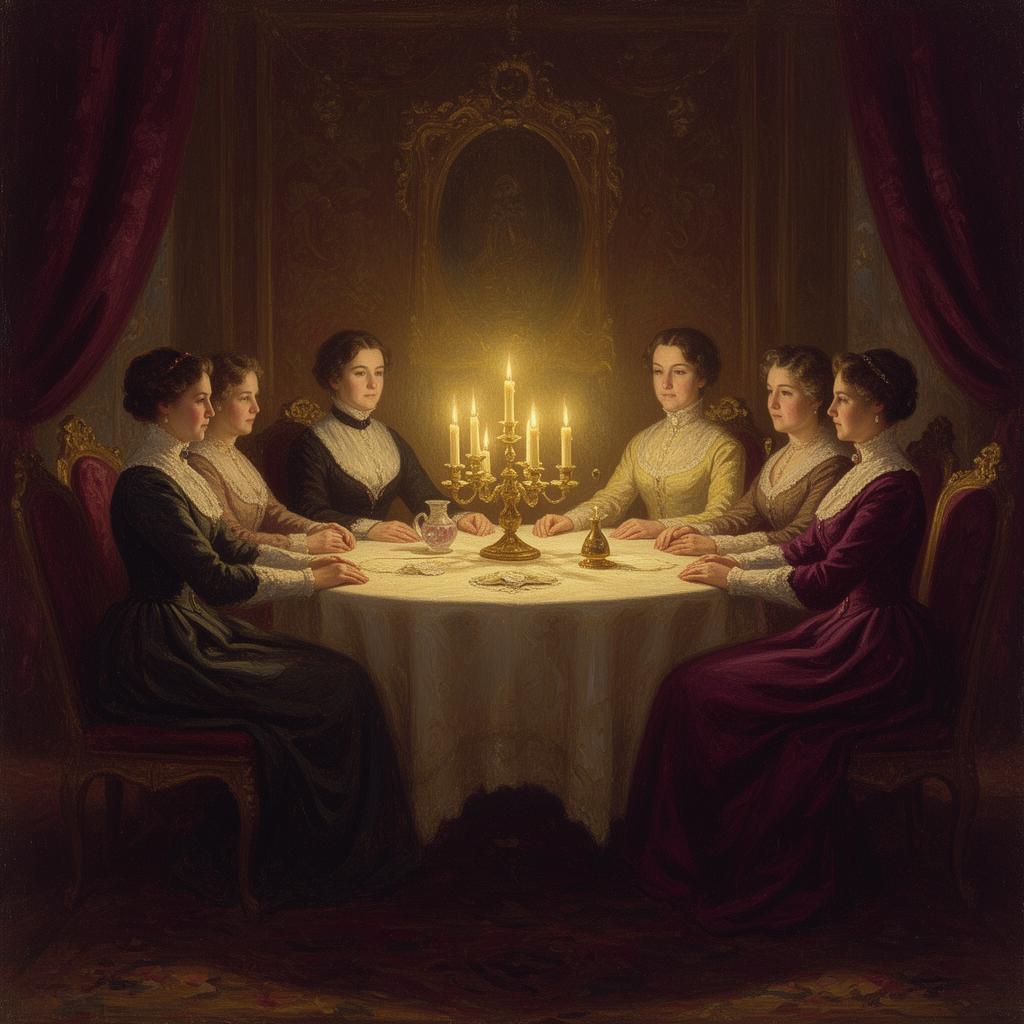
The First World War left millions bereaved and Spiritualism grew rapidly as families sought evidence that their loved ones lived on. Sir Arthur Conan Doyle, the creator of Sherlock Holmes, devoted the last years of his life to writing and lecturing on Spiritualism, publishing his two-volume History of Spiritualism in 1926. Sir Oliver Lodge's book Raymond brought similar comfort and credibility.
Inspired teachings such as those given through Maurice Barbanell by the guide known as Silver Birch, and the public healing work of Harry Edwards, shaped 20th-century British Spiritualism into the warm, ethical, evidence-based tradition we know today.
Spiritualism today
Spiritualism is now practised worldwide. In the UK the Spiritualists' National Union supports several hundred churches, including Nottingham Spiritualist Church. We continue the work of demonstrating that love survives, offering healing freely, and welcoming all who wish to explore the spirit within and beyond themselves.

Respected books on Spiritualism
- The Lyceum Manual(1887)Emma Hardinge Britten, Alfred Kitson & H. A. Kersey
The foundational handbook of the Spiritualist Lyceum movement, setting out its songs, recitations, lessons and order of service. The link opens the 10th edition (1914).
Read online - The History of Spiritualism (Vols. I & II)(1926)Sir Arthur Conan Doyle
The definitive early account by the Sherlock Holmes author, who became Spiritualism's most prominent advocate.
Read online - Raymond, or Life and Death(1916)Sir Oliver Lodge
Pioneering physicist's account of communication with his son after the First World War.
Read online - Silver Birch SpeaksEdited by Tony Ortzen / Hannen Swaffer Circle
Decades of inspired teachings from the spirit guide known as Silver Birch — a cornerstone of British Spiritualist thought.
- There is No Death(1891)Florence Marryat
Vivid Victorian-era memoir of mediumship and survival evidence.
Read online - Thirty Years Among the Dead(1924)Dr. Carl Wickland
Early 20th-century psychiatrist documenting trance work and spirit communication.
- The Psychic World of Harry EdwardsHarry Edwards
Britain's most celebrated spiritual healer on the principles and practice of healing.
Historical sources & further reading
- Spiritualists' National Union (SNU)
The UK governing body of Spiritualism — history, principles, and church directory.
- SNU — History, Teachings & Practices of Spiritualism
Official SNU learning resource covering Spiritualism's history and teachings.
- Arthur Findlay College
The world's foremost college for the advancement of Spiritualism, Stansted Hall.
- The Society for Psychical Research (SPR)
Founded 1882. Scholarly investigation of mediumship and survival evidence.
- International Spiritualist Federation
Global federation founded in 1923.
- Encyclopædia Britannica — Spiritualism
Concise encyclopaedic overview.
External links are provided for study. Inclusion does not imply endorsement of every view expressed.